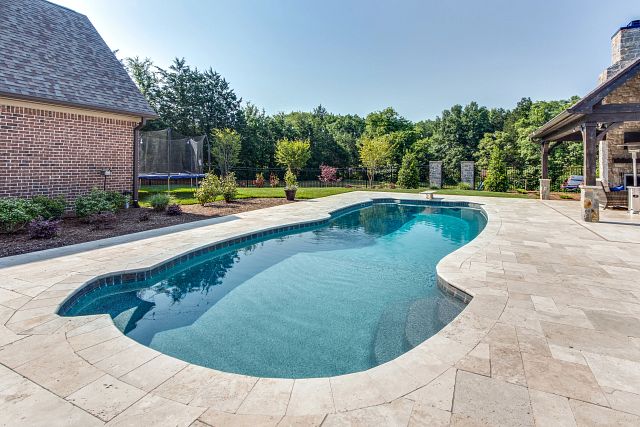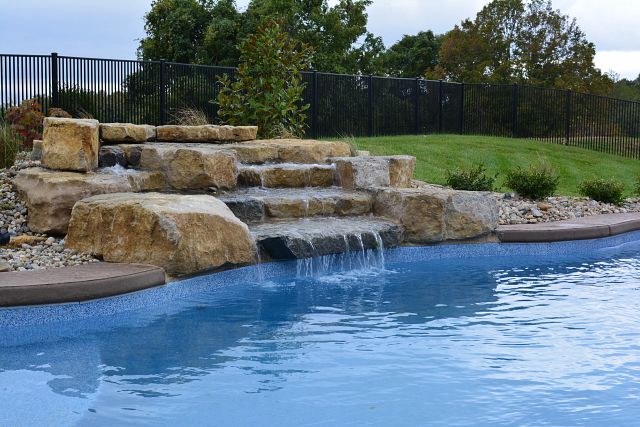
A swimming pool is more than just a place to take a refreshing dip — it’s a total upgrade to your family’s lifestyle, providing the perfect setting to relax, escape and entertain. A pool can also greatly enhance the beauty of your yard, especially when designed with thoughtful features like custom lining, tanning ledges, or fountains.
To get the longest life and greatest value out of your new swimming pool, it’s important to plan carefully for the design and construction process. Factors like space, climate, soil quality, yard slope and your budget will all influence the final timeline and overall cost for your project.
This guide will help you get started by explaining the basics of how to plan a pool, from choosing a spot in your yard to obtaining the permits for building. If you’ve been thinking about getting a fiberglass or vinyl swimming pool, read on for pointers to plan your pool.
What to Consider When Building a Pool
You want your pool to be built safely, beautifully and efficiently — on schedule and within budget. To help ensure that you achieve the desired results, you should discuss your plans in advance with an experienced pool builder, who can look for practical and cost-efficient ways to bring your backyard dreams to life. For example, you should talk about how you’ll handle details like:
- Drainage
- Landscaping
- Yard layout
- Pool size and shape
- Ongoing pool care and maintenance
- Preferred construction materials
- Strategies for dealing with construction on sloped property
While there will always be some factors that are impossible to control, such as the weather, most of the pool planning process can be organized before you even start building. It may seem like a lot to think about, but careful planning on the front end of building your pool will set you up for greater success, less stress, and more satisfaction when it’s time to enjoy your finished pool.
Step-by-Step Pool Planning Process
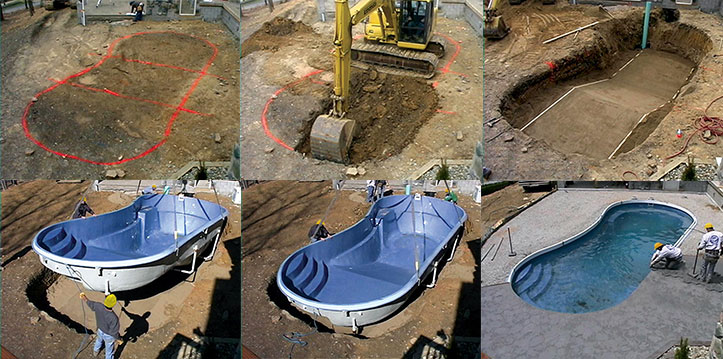
There are a few key milestones and features to keep in mind when planning your inground pool. You’ll want to plan carefully for each stage, from finalizing your design, filing for permits, and completing excavation, to putting the final personal touches on your space. Here’s a look at the general order of steps for when you’re planning your pool:
-
- Design & Permits: Considering your lifestyle and what you want from pool ownership is the first step in the planning process. You might be looking for a pool that’s ideal for exercise, where you can swim laps after a long day at work. Or, maybe you want a pool that’s optimized for relaxation, like a plunge pool that doubles as a spa. While you can scour Pinterest and other sites for design inspiration, working with a licensed professional pool contractor can help you finalize a design that works for your lifestyle and backyard constraints. Once you decide on your pool design, you’ll need to file for necessary permits with your local municipality before construction can begin. Your pool contractor can also help you understand which permits you’ll need to ensure your pool meets all state and local building codes.
- Excavation & Construction: Your contractor will need to excavate as part of the installation process, so you’ll need to plan for construction work in your backyard. This might include how your contractor and their crew will access the site, as well as temporary adjustments to your routine when it comes to backyard activities and pets.
- Finishes & Features: Many premium features, like tanning ledges, waterfalls, and LED lighting inside the pool, can be difficult to add to a finished pool. While they can be installed later, you’ll want to plan for a renovation project, as adding features afterwards can be an invasive process. These features will need to be installed during the construction process of your new pool. This is also when finishes such as liner color, shimmer finishes, tile, and water-line details are added.
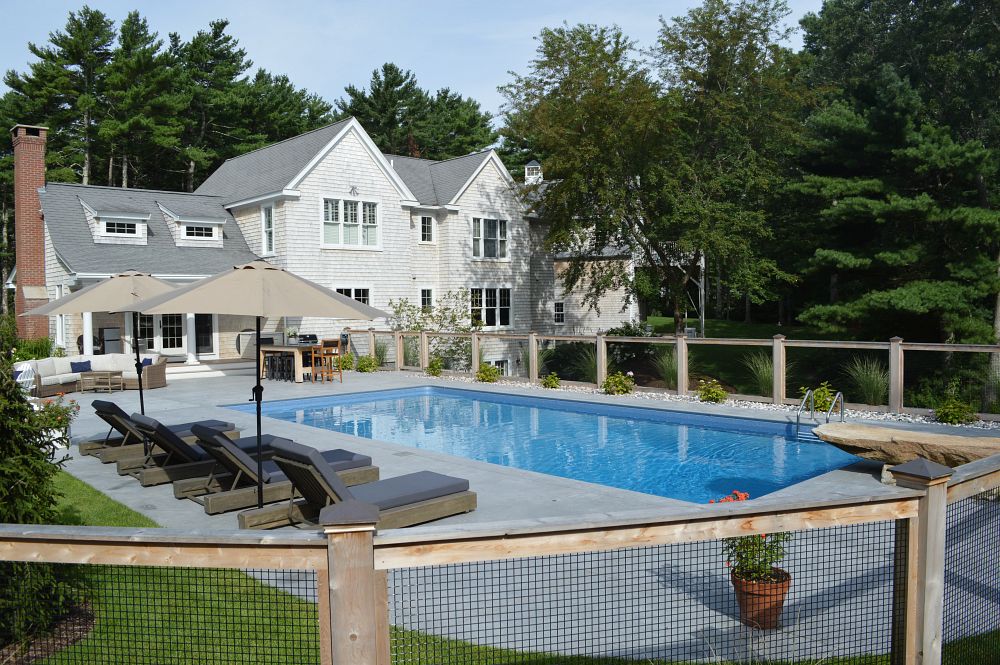
- Landscaping & Safety: Planning for safety features like pool covers and fences will help give you peace of mind, as well as help your pool comply with local laws and HOA requirements. You’ll also want to plan any landscaping needs for the space around your pool, such as trees to create shade or hedges for additional privacy.
- Fill, Maintain, and Enjoy: After your pool has been filled, your last step in pool planning is to balance your water chemistry and create a maintenance schedule to keep your pool clean and functioning properly.
Work with your contractor to create a timeline that incorporates each of these stages of building your pool. They will be able to help guide your expectations around how long each step of the process should take, as well as how to create a sustainable budget. By leaning on expert advice and planning carefully, you can avoid delays and surprise costs that can pop up during construction.
Pool Materials Guide: Vinyl vs. Fiberglass vs. Gunite
There are three primary types of pool materials: fiberglass, vinyl liner, and concrete (also called gunite). Each one brings something different to the table in terms of cost, installation time, and maintenance requirements. Here’s a quick look at some of the features that each pool material offers:
- Fiberglass: Fiberglass pools are available in a wide array of shapes and sizes, giving them the flexibility to fit into every space. Because Latham fiberglass pools are hand-drafted in our state-of-the art manufacturing facility and transported as a single piece to your backyard, their installation process causes less disruptions to your life and backyard. Contractors are generally able to complete the install faster allowing you to start using your pool sooner. You’ll also enjoy less overall maintenance because of their extremely durable non-porous surface, which doesn’t require replacement or resurfacing, lowering your costs over the pool’s lifetime.
- Vinyl Liner: Vinyl liner pools offer the ultimate in customization and design flexibility, giving you near-endless options when it comes to size, shape, color, and features. They are made from non-corrosive materials that create modular walls, which are then covered by a vinyl liner. With proper maintenance and water balancing, liners can last up to 10 years before they’ll need to be replaced. These pools are usually ready to enjoy in just a couple of weeks vs. the months it takes for concrete.
- Concrete (Gunite): Concrete, also called gunite, pools are built directly in your backyard, from excavation to pouring and curing the concrete shell. This process can take several months to complete, and you’ll need to plan for disruptions to your backyard and daily routine to accommodate your contractor’s needs. While the concrete surface is durable against day-to-day abrasions, like pets’ nails, they can crack and will need acid washing and resurfacing about every 10 years to remain usable. This could result in up to $15,000 to $20,000 in additional maintenance over each decade of the pool’s lifetime.
The right material for your pool will largely depend on your lifestyle and budget. Fiberglass and vinyl liner pools both offer a wealth of customization options with significantly lower maintenance requirements and disruptions during installation. This makes them ideal choices if you’re looking for a truly bespoke pool that you can enjoy for more of the season, without spending hours on maintenance every week.
Budgeting & Cost Factors
Creating a realistic budget before construction begins is one of the best ways to ensure you get all the features you want in your pool without surprise costs. When it comes to budgeting, it’s helpful to think of it in two buckets: up-front and long-term costs.
Up-front costs include things like installation construction, which is influenced by many variables like the material you choose to build with and placement of your pool, as well as any add-on features. This is when you might budget for an automatic pool cover, a safety barrier that not only provides an extra layer of protection for your loved ones, but adds the convenience of being able to open or close your pool for the day with the press of a button instead of manual labor. Other practical up-front costs include heaters that allow you to extend the pool season into cooler months, tanning ledges, and decking around your pool that provides aesthetic continuity and additional safety and comfort.
Long-term costs can include routine maintenance, utilities, equipment replacement, and repairs from wear and tear. For example, concrete pools require resurfacing every 10 years, which could add tens of thousands of dollars to your long-term costs. Fiberglass and vinyl liner pools, however, are made of materials that don’t require resurfacing. Their non-porous surfaces also discourage algae growth that can disrupt water balance, lowering the amount of chemicals they need to stay clean and clear.
When you’ve taken both up-front and long-term costs into consideration, it will be easier to create a budget that is both realistic and sustainable for your lifestyle. Accounting for every part of pool ownership will also help you to balance must-have features, like safety equipment, with the luxury features that will make your pool unique and enjoyable.
Take Your Backyard Design & Landscaping Into Consideration
Planning for your pool is about more than just the pool itself — it’s also to help you create a cohesive space that transforms your entire backyard into a sanctuary from everyday life. Your pool’s placement, hardscaping, and surrounding landscaping all play a role in creating a peaceful environment where you can enjoy your pool to the fullest.
For example, if owning a pool summons visions of entertaining for friends and family, consider including hardscaping like an outdoor kitchen that allows you to stay connected with your guests by the pool instead of being stuck inside. Covered structures like pergolas can also be used as “outdoor rooms” that create a liminal space between the comforts of indoors and the relaxation of being in the pool.
Your landscaping choices are also important to plan for, both in terms of aesthetics and functionality. Hedges around the perimeter of your pool fence can provide additional privacy, and intentionally-placed trees can help create natural shade to keep you cool in hot months. If you don’t want to plant trees directly in the ground, large tropical plants in rolling planters and umbrellas can give you shade while invoking a year-round vacation feel.
By crafting a space that is both beautiful and practical, you’ll be able to fully let go of the day as soon as you step outside, letting you instantly feel relaxed and ready to enjoy yourself. This detailed and thoughtful planning when it comes to your backyard can also raise your property value, enhancing the benefits that are already part of owning a pool.
Make Sustainability & Energy Efficiency Part of Your Pool Plan
An easy way to lower your operating costs and extend the usability of the pool season is to consider more sustainable design choices when you’re planning your pool. Fiberglass pools are installed quicker and easier than pools that need extensive excavation and concrete pouring, and this more efficient install is associated with fewer pollutants. Because of their non-porous gel coat finish, it’s more difficult for algae to grow, which reduces the need for chemicals.
There is also a range of eco-friendly equipment that you can choose to reduce your pool’s footprint, such as LED lighting, which can use up to 75% less energy than incandescent lighting. You can also install solar heating panels to use the sun’s natural rays to heat your pool, lowering your long-term heating costs close to zero. Or, you could use an automatic cover to prevent heat from the pool from radiating into the atmosphere, meaning fewer CO2 emissions while preventing water evaporation.
Factoring environmentally friendly design choices into your plan for a pool can save you money on operating costs while preserving the outdoors you love.
How to Plan a Safe Inground Pool
Compliance with local laws and your home owner’s association (HOA) requirements is essential for making sure that your pool is safe and ready to enjoy as soon as construction is complete. Here are some legal and safety considerations for inground pools you should consider in your plan:
- Building Codes: Building codes are a set of minimum legal requirements for how residential and commercial structures should be built to ensure public safety. These codes dictate standards for contractors and can vary from state to state, addressing specific issues for that community. For example, building codes in California might address how well a structure can withstand earthquakes or those in Florida might be designed to endure hurricanes.
- Permits: You’re required to file permits for most home construction projects, and a pool can require a few different types. You’ll commonly need to file separate permits for building, electric, zoning, and grading, which ensures proper draining around the pool. If you’re using a reputable contractor, they should be able to help with filing and obtaining the permits you need.
- Safety Features: Barriers like fencing or a pool cover, as well as tools like alarms and self-latching gates, are often mandatory safety features for building a new pool. Many HOAs have guidelines about the type and color of pool cover you can use, so you’ll want to double-check all requirements to ensure you’ve budgeted for the appropriate features.
A safe pool is a pool you’ll be able to love for years to come. When you know you’ve done everything in your ability to keep your loved ones and community safe, lower your liability, and comply with your local regulations, you’ll be able to relax and completely enjoy your space.
In the next few sections, we’ll explain some details of specific safety requirements like fencing, pool covers, and protection for children and pets, and how you can factor them into your pool plan.
Fencing & HOA Requirements
If you have an HOA, you’ll be legally required to meet the standard they’ve outlined for pools in your neighborhood. This can often mean limits on size, shape, and placement of your pool, as well as guidelines for landscaping, aesthetic finishes, pool materials and more. You’ll likely need to submit a proposal to your HOA with your complete pool plan, so be sure to include time for approval or revisions into your building timeline.
Most states and local communities have safety requirements for fencing around the perimeter of your pool, including height and distance between slats, to prevent children from being able to climb over them. Some HOAs might also have regulations for the aesthetic of your pool fence.
Pool Covers & Safety Features
Safety barriers like pool covers are an easy way to add extra layers of protection for your loved ones while keeping dirt and debris out of your pool water. Automatic pool covers can be conveniently opened and closed with the press of a button and are generally very strong when closed — so much so that they can often support the weight of children or pets who might try to walk across them. Manual pool covers are also effective at keeping your pool safe, although you’ll need to manually remove and install them when you want to use or close your pool.
Other safety features include alarms that chime when movement in the pool area is detected, as well as safety drain covers. Alarms can alert you immediately when gates have been opened or loved ones are near the water. This can help you act quickly to ensure the pool is supervised. Safety drains prevent suction entrapment, which is when hair, bathing suits, or limbs from getting stuck in the drain at the bottom of a pool.
Protecting Kids & Pets
Combining a fence, outfitted with self-latching gates, with a pool cover and alarm can go a long way in giving you peace of mind that your loved ones have multiple layers of protection in your pool area.
Consider working with pets to know where entry steps are and practice getting in and out of the pool safely. You can also invest in pet safety vests, which are especially useful for very young or elderly animals who might have more trouble swimming and exiting. You should also rinse all pets when they’re done in the pool to prevent chemicals like chlorine from irritating their skin.
Enrolling children in swimming lessons is an easy way to teach them pool safety and ensure they’re comfortable in the water from an early age. Young children can also wear inflatables to help keep them buoyant in the water.
Above all else, kids and pets should always be supervised when they’re in and around your pool. Diligent supervision is the absolute most valuable asset when it comes to being sure that your loved ones can safely enjoy the pool.
Pool Planning FAQ
In this section of our pool planning guide, we’ll answer some of your most frequently asked questions about residential swimming pool planning, including:
- What permits do you need to build a pool?
- How do you choose the best spot in your yard for a pool?
- How do you determine whether your yard is suitable for a pool?
- How much does it cost on average to construct a new custom swimming pool?
Do You Need a Building Plan for a Pool?
Depending on the regulations where you live, you may be required to submit a building plan and obtain a permit before construction may begin. Since regulations around residential swimming pool construction vary so much by location, it’s essential to check the laws and ordinances in your area. A good way to get started is by contacting your municipality and asking what sorts of inspections you’ll need to have performed and which documents you’ll need to submit. Be aware that, depending on your location, you may also need to obtain approval from your homeowner’s association (HOA). A pool builder can help you navigate this process and make sure you’re in compliance with local zoning regulations.
Where Should a Pool Be Placed in My Backyard?
You’ll need to determine where in your yard your pool should be placed. That means you’ll also have to think about details like:
- The size and dimensions of the pool
- The shape and layout of your yard
- Whether your yard is flat or sloped
- The minimum distance that must be maintained between your home and your pool (known as a “setback”)
- The position of your septic tank
- The position of immovable features on your lawn (such as sheds or gazebos)
- How much sunlight various parts of your yard receive
You should discuss each of these points with a trusted pool builder, along with related details like your privacy, your view, and space for landscaping or decking around the pool — all of which will be impacted by the pool’s placement in your yard.
How Do I Know If I Can Put a Pool in My Backyard?
To ensure that your yard is pool-ready this summer, you’ll need to take two basic steps:
- Confirm that it’s legally possible. Get in touch with an official for your town or city who can assist you with the inspection- and permit-related requirements for building. Make sure you complete all requirements — ideally well in advance of any deadlines. This will give you a cushion in the event of an emergency or unexpected setback.
- Confirm that it’s physically possible. Get an assessment of your yard from a professional pool builder. They will be able to assess your property to determine whether construction is possible in terms of space, soil quality, the positioning of your septic tank and gas lines, and other physical details.
Remember, even sloped or small yards are usually suitable for construction, so don’t be discouraged if your space or budget seems limited. A beautiful and functional pool is within closer reach than you think! You can even see a preview by using our pool planning app.
What is the Average Cost to Put in a Swimming Pool?
The cost of a swimming pool can vary greatly, depending on factors like the size and shape of the pool; the construction materials that are used, such as vinyl versus fiberglass; and whether you wish to add on any custom details, such as tanning ledges, waterfall features, automatic safety covers, spa jets, or built-in pool steps. The price can also be impacted by factors like availability of labor and materials, whether it is necessary to build support features like retaining walls, and whether any specialized construction equipment is required. For detailed information about pool costs and planning your budget, we suggest exploring the following resources:
Financing options from LightStream and Lyon Financial
Is it worth putting a pool in your backyard?
Yes, putting a pool in your backyard can provide a lifetime of enjoyment for you and your loved ones. When you plan your pool according to your lifestyle and budget, you can build a backyard space that is restful, safe, and customized for your pleasure.
Do inground pools add value to your home?
Yes, for the right buyer and market, a pool can provide significant value to your home. This is especially true if you are committed to routinely maintaining the pool, it’s equipment, and its surrounding landscaping.
What’s the difference between inground and above-ground pools?
Inground pools are a permanent, highly customizable pool type that is installed in your backyard through excavation. Inground pools are an up-front investment that can add significantly to your property value, as well as the overall beauty of your backyard.
Above-ground pools are temporary pools that sit on top of the soil instead of being built into an excavated area. While they are cheaper to install, they don’t add to your overall property value. In fact, many HOAs have banned them for aesthetic reasons, so be sure to check your community’s guidelines before purchasing any above-ground pool.
Contact Us for Your Pool Planning Needs
Successfully planning a pool requires careful thought, attention to detail, and coordination with city officials. From applying for the appropriate permits, to choosing where the pool will be placed, to determining whether features like retaining walls will be necessary, you’ll need to consider a broad range of aesthetic, financial, and practical factors from the start of the planning phase. However, it doesn’t have to be a stressful or overwhelming process. With the friendly, experienced pool builders at Latham to guide and assist you, you’ll have expert support at every step of the way. Contact us today.